
From Questionnaire to Relationship: Why Trust Management Is More Than an Audit Snapshot
The questionnaire implies a closure that doesn't exist
You fill out a security questionnaire, send it off, the deal goes through. Done. That's how it feels – and that's exactly the fallacy.
A questionnaire describes a single day: the day you filled it out. The next day, a subcontractor changes, a certificate expires, a policy gets revised. The document sitting in your client's files knows none of this. It starts ageing the moment you send it.
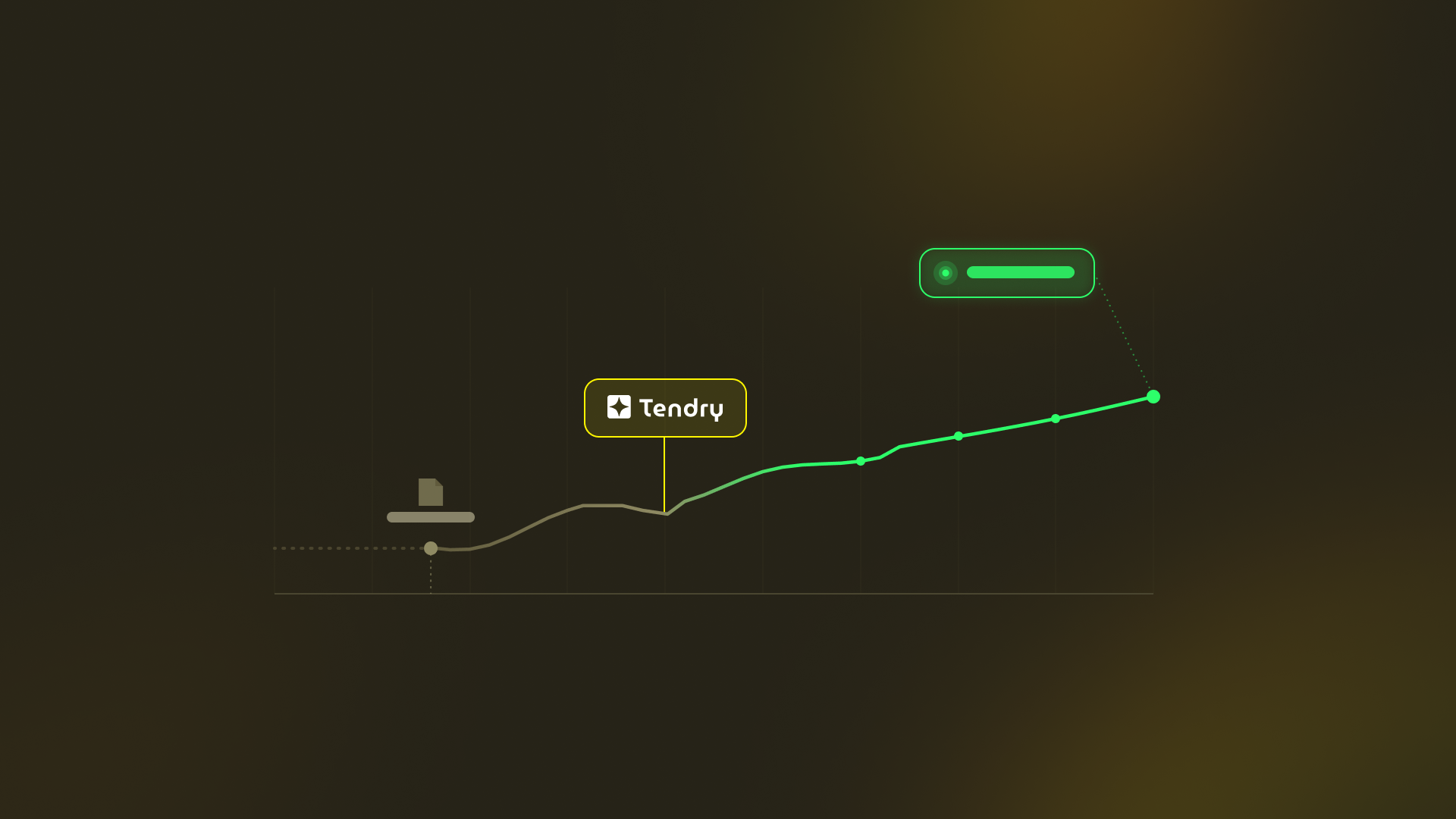
Trust isn't a state, it's a trajectory
Your clients – especially in regulated industries – have caught on to this. They don't assess their providers once; they have to monitor them continuously. A snapshot from last quarter won't help them answer a supervisory question.
That shifts the real question. It's no longer: "Can you answer this questionnaire?" It's: "Will you stay demonstrably trustworthy across the entire engagement?"
That's the difference between a photo and a livestream.
What a relationship does that a document can't
Currency. When something changes on your side, the client sees it – not at the next annual reassessment.
Context. A relationship carries its history: what was promised, what was verified, what's been implemented since. A fresh questionnaire starts from zero every time.
Less friction. Recurring evidence, follow-up questions, and re-assessments run through one shared channel instead of email chains and yet another Excel template.
Alignment. Both sides see the same status. That reduces misunderstandings – and the awkward moments where a client requests evidence you'd already provided.
From delivering answers to running a relationship
The shift in perspective is the real lever. As long as you treat questionnaires as annoying one-off tasks, you stay in the role of the supplicant delivering on demand.
Once you understand the collaboration as an ongoing engagement – with a maintained trust status that's available at any time – you flip the dynamic. You go from the vendor who gets assessed to the partner whose trustworthiness is visible and repeatable.
The questionnaire doesn't disappear. But it stops being the central instrument. Something more robust takes its place: a relationship you can actually prove.

